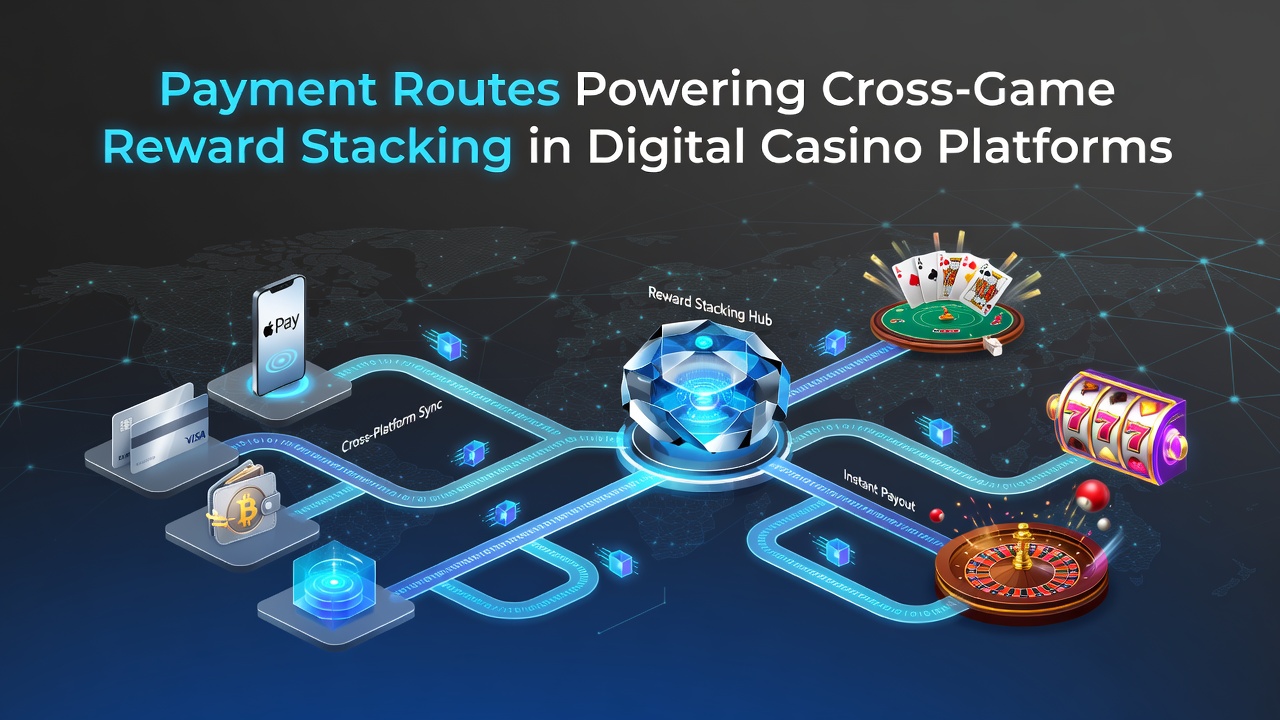
Unified Transaction Networks Supporting Reward Layering Across Casino Game Types
Payment systems now connect deposits directly to unified player accounts that track activity across slots, table games, and live dealer environments at once, while data from industry reports shows these routes allow bonuses earned in one category to apply toward progress in others without separate transfers. Observers note that platforms achieve this through API integrations where e-wallets and instant bank options feed into central ledgers, and researchers at academic institutions have documented how such setups reduce friction during June 2026 platform updates that expanded multi-game tracking features.
Core Mechanics of Cross-Game Reward Integration
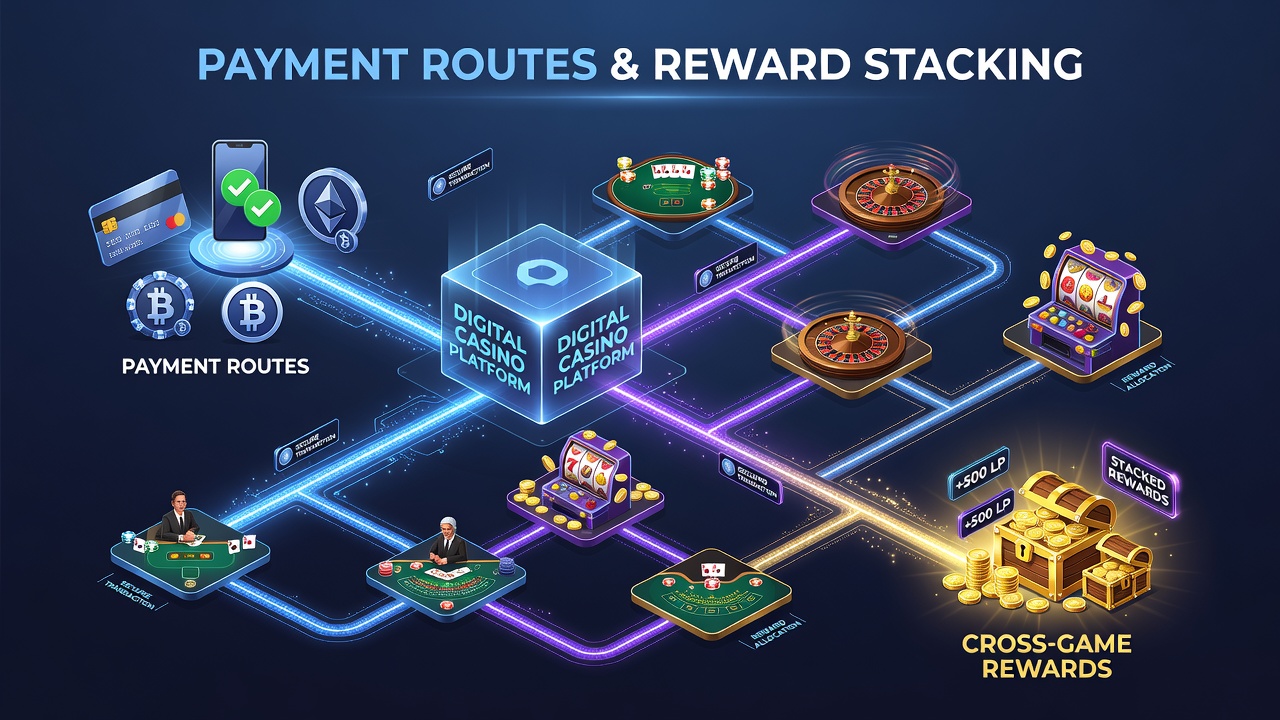
Transaction processors link user funds to loyalty engines that calculate multipliers based on total play volume rather than isolated sessions, so a deposit made for progressive slots automatically registers contributions toward table game challenges and live dealer streaks. Studies from research papers indicate this occurs because payment gateways embed metadata tags that the casino backend reads across modules, and experts have observed similar patterns in systems where crypto routes and traditional cards both support the same stacking logic without requiring additional verification steps.
Operators deploy these networks to handle high-frequency micro-transactions that accumulate points in real time, whereas earlier models forced players to complete separate deposit cycles for each game type. Data shows the shift gained momentum as mobile interfaces matured, allowing one payment confirmation to trigger layered rewards that carry over between blackjack sessions and slot tournaments on the same account.
Technical Pathways and Provider Examples
Leading gateways such as those developed for global gaming environments route funds through secure tokenization layers that preserve player history across titles, and this design lets accumulated bonuses convert into playable credits usable on live tables after originating from slot activity. According to figures from the American Gaming Association, platforms adopting these unified routes reported measurable increases in session length during periods when reward layering became standard. One case highlighted in industry analyses involved a European operator that integrated open banking options, resulting in deposits that simultaneously advanced multiple progress bars without manual intervention.
Regional Variations in Implementation
North American systems often emphasize bank transfer integrations that feed directly into cross-title trackers, while Australian regulatory frameworks require additional audit trails yet still permit the same stacking mechanics through approved processors. Canadian provincial operators have tested hybrid models combining prepaid cards with digital wallets, and these approaches demonstrate how payment routes maintain consistency even when local rules differ on bonus conversion rates. What's interesting is that such variations still converge on the principle that a single authenticated transaction can power reward movement between game categories.
Data Trends Around Mid-2026 Developments
Platform records from June 2026 reveal elevated usage of instant payment methods that support seamless reward transfers, with transaction volumes rising as more titles adopted shared loyalty ledgers. Research indicates these increases align with broader adoption of token-based systems that eliminate the need for game-specific wallets, and analysts tracking industry organizations have noted corresponding growth in player retention metrics tied to stacking capabilities. The reality is that operators who streamlined these routes saw deposits flow more efficiently into varied game environments without the previous segmentation barriers.
Further patterns emerge when examining how certain gateways now embed real-time conversion tools, allowing points from one game mode to adjust dynamically when a player switches categories mid-session. Evidence from university-linked studies suggests this flexibility stems from improved database synchronization rather than changes in game rules themselves.
Security and Compliance Layers
Payment providers incorporate encryption protocols that protect the metadata carrying reward information across game boundaries, and this protects the integrity of stacked bonuses even during high-volume periods. Regulatory bodies in multiple jurisdictions require logging of every route used for such transfers, yet the underlying architecture remains consistent enough that players experience uninterrupted progression regardless of game choice. Those who've examined compliance reports note that these safeguards operate in the background while enabling the cross-game functionality operators promote.
Conclusion
Payment routes continue to evolve as the backbone for reward systems that treat diverse casino titles as interconnected rather than separate experiences. Through integrated ledgers and metadata tagging, deposits now support layered accumulation that moves fluidly between slots, tables, and live environments, with mid-2026 data confirming expanded implementation across multiple markets. The structure relies on secure, standardized gateways that maintain compliance while delivering the technical foundation for these capabilities, and ongoing refinements point toward further consolidation of these networks in coming periods.