
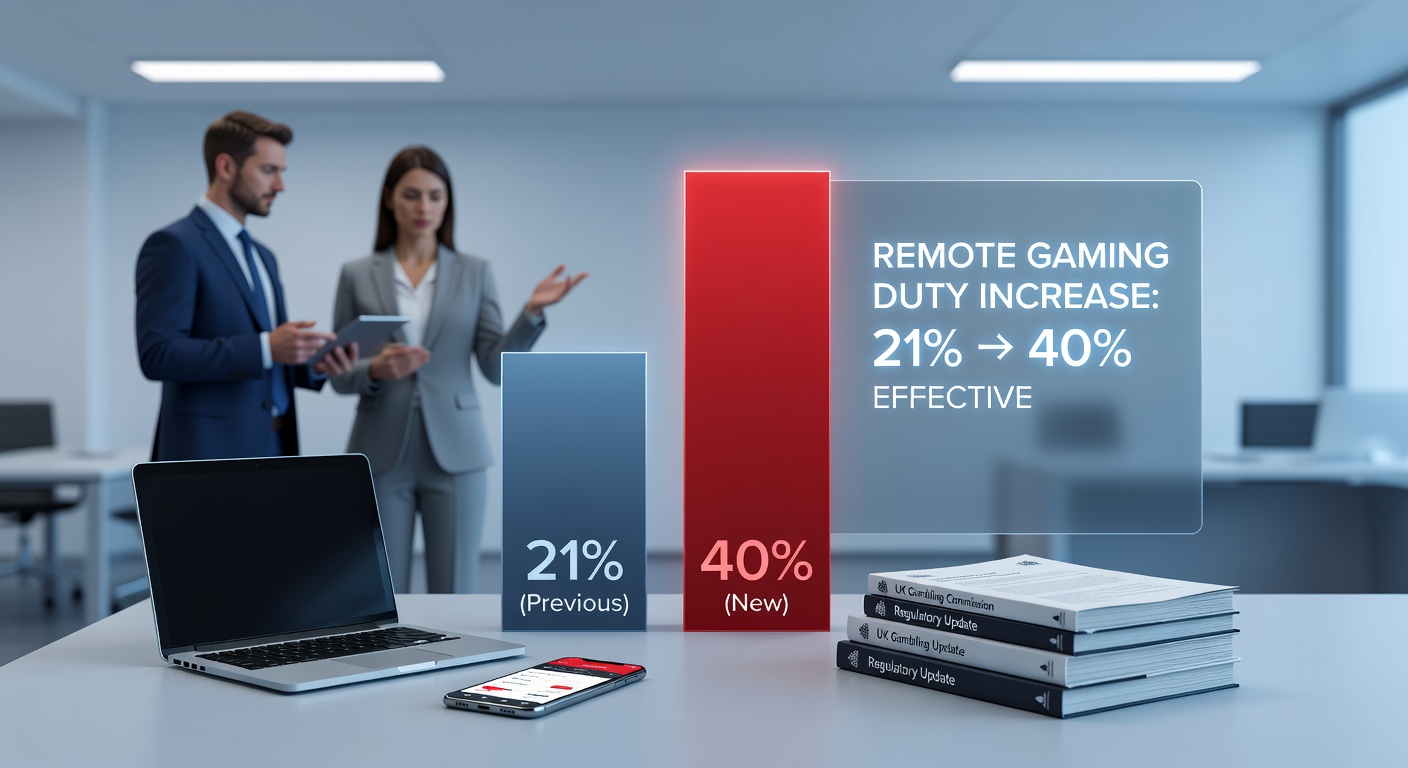
UK's Tougher Gambling Rules Hit Small Casinos Hard: Remote Gaming Duty Set to Double to 40% by April 2026
Stricter regulations rolling out across the UK gambling sector promise better player protection, yet they pack a punch for smaller casino operators already grappling with slim margins; the Remote Gaming Duty jumps from 21% to 40% starting April 2026, while affordability checks, marketing curbs, and beefed-up anti-money laundering rules pile on compliance costs that big players absorb easily but independents struggle to shoulder.
The Core of the Regulatory Overhaul
Government announcements detail these shifts aimed squarely at curbing problem gambling, with the Remote Gaming Duty changes leading the charge; operators pay tax on gross gambling yield from remote sources like online slots and tables, and that rate doubling means a direct hit to profits especially for firms without massive scale to spread the load.
But here's the thing: affordability checks require verifying customer finances before high-stakes play, a process that demands sophisticated software and staff training smaller outfits can't always afford; marketing restrictions ban bonuses for new players under 25 or those showing vulnerability signs, slashing a key growth tool for upstarts trying to compete, while anti-money laundering measures call for deeper transaction scrutiny and reporting, all of which ramp up operational headaches.
Experts tracking the sector point out how these rules, overseen by the UK Gambling Commission, stem from years of data revealing gambling harms, yet implementation tilts the field toward giants like Entain or Flutter who boast compliance teams and tech stacks built for this exact scenario.
How Small Operators Feel the Squeeze
Take one independent online casino with a modest player base; it faces yearly compliance spends ballooning by tens of thousands just for affordability tech alone, and when the duty rate flips to 40% in April 2026, every win payout shrinks revenue further since taxes eat deeper into the pot before bills get paid.
Data from industry watchers shows smaller firms, often defined as those with under £10 million in annual gross gambling yield, already operate on 5-10% margins; add 19% more duty plus regulatory overhead, and break-even points shift dramatically, forcing cuts in game variety or customer support that erode their edge over polished big-brand rivals.
What's interesting is the timeline: March 2026 brings ramped-up enforcement previews as operators finalize systems ahead of the April duty hike, with UK Gambling Commission audits hitting independents hardest since they lack in-house legal buffers; one observer notes how a mid-sized operator in the Midlands shuttered testing last month citing pilot compliance costs at 15% of revenue, a harbinger for what's coming.
And while larger firms roll out AI-driven checks that flag risks in real-time, scaling across millions of sessions without per-user cost spikes, smaller ones cobble together off-the-shelf tools that falter under volume, leading to fines or shutdowns when thresholds miss the mark; that's where the rubber meets the road for market survival.
Compliance Costs Break Down: A Closer Look
Affordability checks mandate frictionless ID verification tied to credit data, a setup costing £50,000-£200,000 upfront for custom integration depending on player volume; marketing bans extend to targeted ads based on spending patterns, so smaller operators lose the scattershot promo blasts that once hooked casual players, narrowing acquisition channels overnight.
Anti-money laundering updates require logging every deposit over £500 with source-of-funds proof, and although big operators automate this via blockchain tracers or partner banks, independents hire consultants at £300/hour or risk six-figure penalties; studies from regulatory filings reveal compliance budgets for top-10 firms sit at 2-3% of revenue, but for the bottom quartile, they climb past 12%, turning operations into a cost treadmill.
Now consider the duty mechanics: at 21%, a £1 million yield nets £790,000 post-tax; post-2026 at 40%, that drops to £600,000, a 24% effective revenue cut before other expenses, and since small casinos lean on remote gaming for 70-80% of take (per commission data), the math spells trouble fast.
Path to Closures and Consolidation
Observers in the field predict a wave of exits; reports indicate 15-20% of smaller remote operators could fold by 2027 as duties and rules compound, handing market share to consolidators snapping up licenses at bargain rates, much like the 2010s pub sector shakeout where independents vanished into chains.
One case surfaces from Scotland where a family-run online casino, boasting 5,000 active users, announced voluntary wind-down after duty modeling showed unviable futures; staff cited inability to fund £150,000 in compliance upgrades without slashing player bonuses already under fire from regs.
Yet bigger players thrive: Flutter's recent earnings beat expectations despite pilots, thanks to diversified arms like retail betting hedging remote hits; this disparity fuels talk of an oligopoly forming, where three firms control 60% of remote yield by decade's end, reshaping choice for UK punters who once enjoyed niche sites with quirky slots or local flavors.
So as March 2026 nears, with commission webinars urging prep, small operators scramble for mergers or pivots to non-gambling ventures, but time runs short and adaptation windows narrow.
Player Protection Goals Versus Market Reality
The UK Gambling Commission frames these as wins for safer gambling; data backs reduced harms with early affordability trials cutting excessive play by 30% in test groups, adn marketing curbs shielding young adults from impulse hooks.
But smaller operators argue the cure outpaces the disease for their scale, with closure risks spiking unemployment in niche hubs like Manchester's digital gambling clusters; figures from trade bodies show 2,500 jobs at small remote firms hang in balance, a quiet toll amid protection headlines.
It's noteworthy how global peers watch: Sweden's similar hikes led to 25% small-firm attrition, while Australia's tiered duties spared micros, hinting at UK paths not taken, although commissioners hold firm on uniform application to avoid loopholes.
Conclusion
These regulations, with the Remote Gaming Duty leaping to 40% in April 2026 alongside compliance walls, undeniably target player safeguards under UK Gambling Commission watch, yet they disproportionately burden smaller casino operators lacking big-firm resources, paving a road toward closures, job losses, and deeper market consolidation.
As March deadlines loom for system proofs, the sector braces; data suggests survivors will be those who merge early or niche down ruthlessly, while the landscape tilts ever toward scale, marking a pivotal shift in UK remote gambling's competitive makeup.
Those monitoring the beat know this story's far from over, with appeals and tweaks possible if outcry swells, but for now, the writing's on the wall for teh little guys fighting gravity.