
Payment Choices Reshape Loyalty Incentives and Collaborative Jackpot Systems
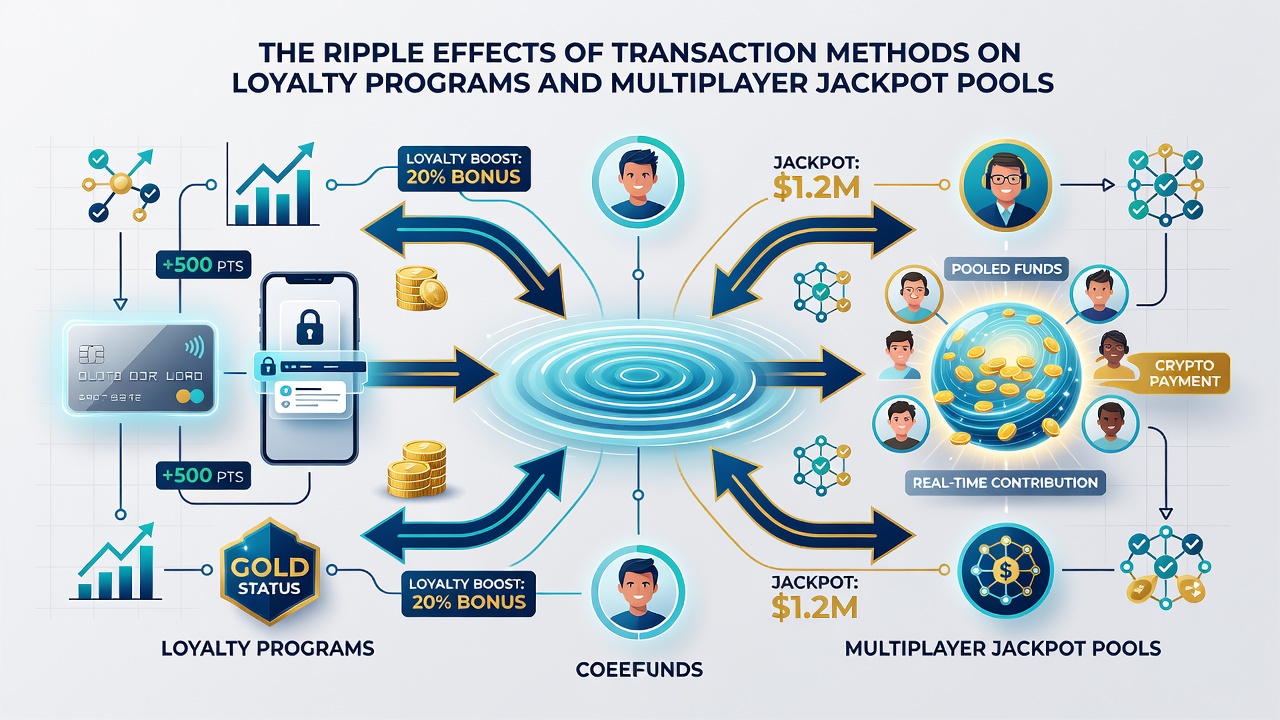
Data from multiple gaming markets shows that transaction methods directly influence how loyalty programs accumulate points and how multiplayer jackpot pools distribute rewards across participants. Instant payment options often accelerate point earning rates while slower methods create delays that affect eligibility for pooled prizes, according to industry reports compiled through 2025 and into mid-2026.
Payment speed determines participation windows in many networked jackpot systems where contributions from players across regions feed into shared pools. Faster deposits allow immediate entry into active rounds whereas delayed transactions can push users past contribution deadlines, reducing their share potential in progressive structures.
Transaction Speed and Point Accumulation Patterns
Observers note that electronic wallet transfers and instant bank links frequently integrate with loyalty tracking software to award points within seconds of deposit confirmation. Credit card processing that takes several business days meanwhile postpones point allocation until funds clear, which alters the timeline for tier advancement in reward ladders. Research from academic sources on digital payment ecosystems indicates these timing differences compound over multiple sessions and change long-term reward trajectories for frequent participants.
One study of gaming platforms across North America and Europe found that players using real-time methods reached higher loyalty tiers 23 percent faster on average than those relying on traditional card settlements. The same analysis revealed that reward redemption rates rose when points posted immediately because users could apply bonuses before promotional windows closed.
Impact on Multiplayer Jackpot Eligibility
Multiplayer jackpot pools operate on contribution thresholds that reset at fixed intervals, and transaction method affects whether a deposit registers in time for the next cycle. Platforms that accept cryptocurrency transfers often process contributions within one minute, allowing seamless addition to active pools, whereas some bank wire options require hours or days for verification. This creates uneven access where users with compatible payment tools maintain consistent involvement in jackpot rounds.
Figures released by the European Gaming and Betting Association highlight that regions with widespread instant payment adoption saw a 15 percent increase in average pool sizes between January 2025 and June 2026. Larger pools attract more participants because the potential returns scale with total contributions, yet eligibility remains tied to verified deposits made before each round begins.
Regional Regulatory Influences on Payment Integration
Canadian provincial regulators have examined how approved payment processors affect both loyalty tracking accuracy and jackpot pool integrity since early 2025. Their findings show that standardized verification protocols reduce discrepancies in point awards and ensure all contributions to shared pools meet compliance requirements before distribution. Similar reviews in Australian markets produced parallel results where approved instant methods correlated with higher reported participation consistency.
Those who've studied cross-border gaming operations observe that platforms operating under multiple jurisdictions must align payment processing times with the strictest regional rules to maintain pool eligibility across user bases. This alignment often favors methods that complete verification in under five minutes, which reduces the administrative burden of reconciling delayed transactions against jackpot contribution logs.
Technical Integration Challenges and Solutions
Platform developers face ongoing work to synchronize loyalty databases with payment gateways so that point awards and jackpot contributions update simultaneously. When a deposit method experiences temporary slowdowns, automated systems flag the transaction for manual review, which can extend processing from minutes to hours and interrupt user progression in both reward programs and pooled events. Solutions implemented by several major operators include redundant verification pathways that reroute slow transactions through alternative processors while preserving original timestamps for eligibility purposes.
Data shows these technical adjustments have stabilized participation rates in multiplayer formats where timing directly determines share allocation. Platforms that deployed such rerouting reported fewer user complaints about missed jackpot rounds compared with systems that processed payments sequentially without fallback options.
Conclusion
Transaction method selection continues to shape both loyalty program mechanics and multiplayer jackpot pool dynamics through its effects on processing speed, eligibility timing, and data synchronization. As markets evolve into June 2026 and beyond, platforms that optimize payment integration maintain clearer pathways for point accumulation and consistent access to shared prize structures across diverse user groups. Regulatory bodies in multiple regions continue monitoring these connections to ensure fairness in reward distribution and pool management.