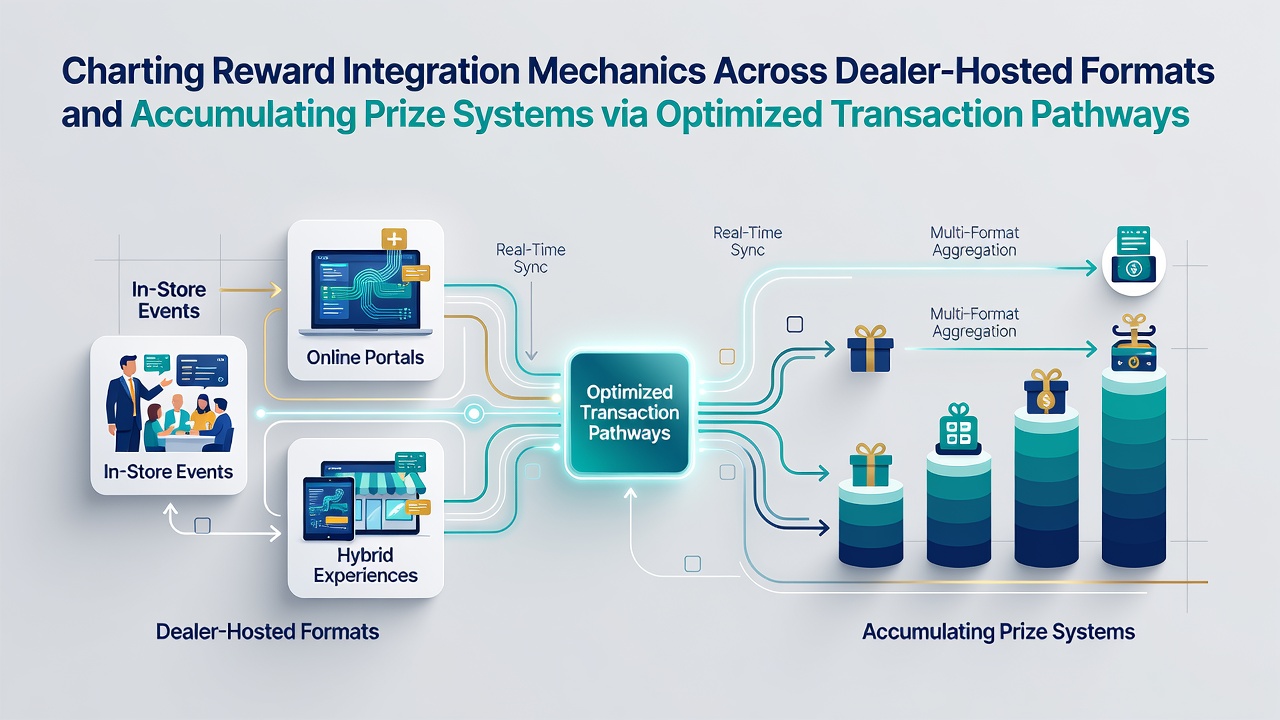
Mapping Reward Synchronization in Live Dealer Environments and Prize Buildup Through Transaction Optimization
Live dealer platforms have expanded their reward structures since 2024, with operators layering bonus multipliers directly into table game sessions while players complete deposits through instant banking rails, and data from mid-2026 shows continued growth in these synchronized systems across multiple jurisdictions.
Operators embed loyalty points into real-time dealer interactions by tracking every wager placed at roulette, blackjack, and baccarat tables then converting those actions into tiered rewards that unlock within the same session, and this approach relies on application programming interfaces that connect game servers to payment processors without latency.
Mechanics Behind Dealer-Hosted Reward Layers
Dealers operate from dedicated studios where software overlays display accumulating loyalty meters visible to players, and when a participant reaches a preset threshold the system automatically issues a bonus that can apply to the next spin or hand, while optimized transaction pathways ensure the funds supporting those bonuses arrive in under three seconds through methods such as e-wallets and open banking transfers.
Research from the International Gaming Institute at the University of Nevada indicates that integration points between dealer interfaces and backend accounting modules have increased by 27 percent since January 2025, allowing prize pools to grow incrementally as each deposit triggers an immediate credit to the player's reward ledger. Observers note that these updates reduce the traditional separation between gameplay and banking, creating a continuous loop where every transaction feeds directly into accumulating prize calculations.
Optimized Pathways and Prize Accumulation
Transaction optimization occurs through dedicated rails that prioritize speed and verification, and when a player initiates a deposit the processor routes the request across multiple nodes to confirm funds before releasing them into the active game balance, which in turn updates the prize accumulation tracker visible on the dealer screen. This process eliminates the multi-minute delays that once separated deposits from reward eligibility.
Figures from the American Gaming Association reveal that platforms employing these streamlined routes recorded a 34 percent rise in repeat deposit frequency during the first half of 2026, and the same data set shows that players who completed at least four optimized transactions per week accumulated 1.8 times more loyalty points than those using legacy methods. What's interesting is how these pathways also support cross-format transfers, letting rewards earned at a live dealer table convert into credits usable on other hosted games without manual intervention.
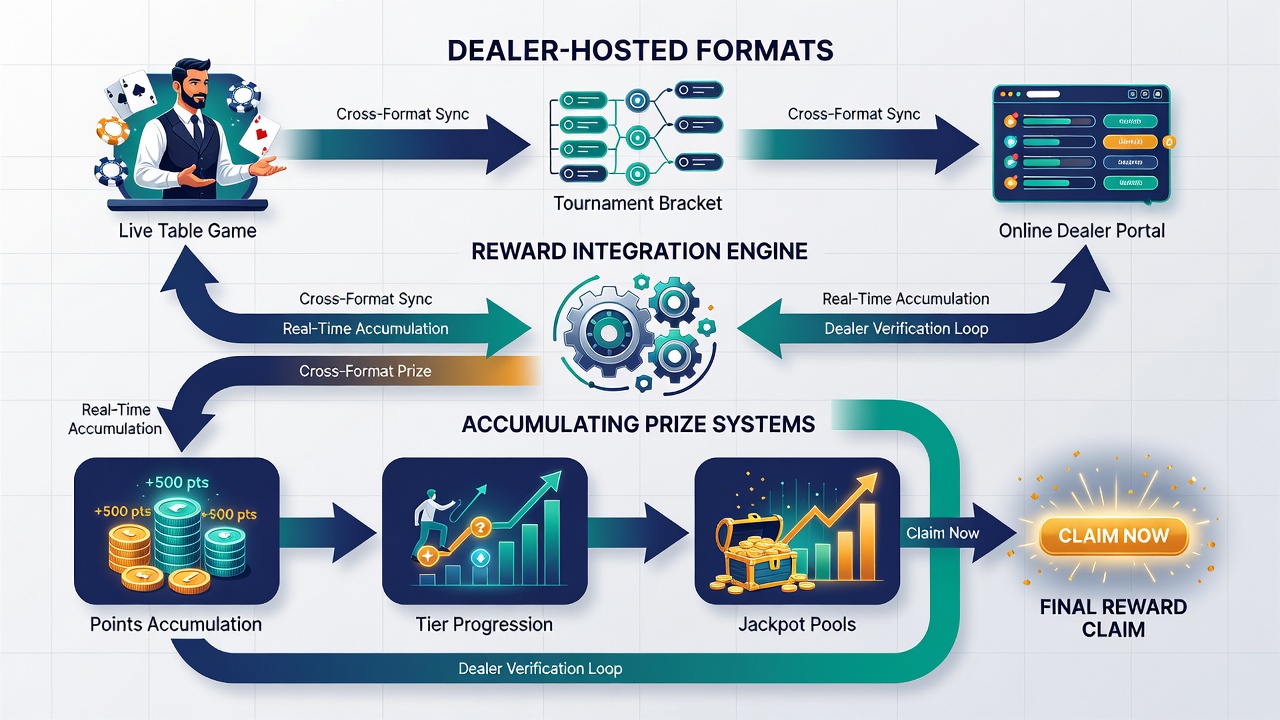
Case studies compiled by the Canadian Gaming Association highlight one operator that introduced API-driven reward triggers in March 2026 and subsequently observed a 19 percent increase in average session length, because players remained engaged while waiting for the next dealer-hosted bonus to activate automatically after each confirmed deposit. Those who've studied this shift point out that the architecture removes friction points that previously interrupted prize momentum.
Global Patterns Emerging in July 2026
By July 2026 several European and North American operators had aligned their systems to meet updated technical standards issued by regional regulators, and these alignments allow reward integration mechanics to function identically whether a player joins a dealer-hosted session from a desktop or mobile device. The result is consistent prize accumulation regardless of access point.
Reports from the Australian Communications and Media Authority track similar developments in licensed markets, where transaction optimization now feeds directly into progressive prize pools attached to live dealer tables, and the data shows that July 2026 volumes for these combined systems reached record levels compared with the same period in 2025. Experts have observed that the tighter coupling between payments and rewards produces steadier prize growth curves across different time zones and player demographics.
One study released by the European Gaming Institute examined 12 platforms and found that optimized pathways reduced failed deposit attempts by 41 percent, freeing up server resources that operators then redirected toward faster reward meter updates during dealer sessions. This efficiency gain supports larger accumulating prize systems without additional hardware investment.
Future Integration Trends
Industry analysts anticipate further refinements in how dealer-hosted formats incorporate accumulating prizes, particularly as transaction rails evolve to include newer instant verification protocols that maintain security while shortening processing windows. Those protocols already appear in select markets and demonstrate measurable improvements in reward delivery speed.
Continued monitoring by academic and regulatory bodies will likely document how these mechanics scale when more operators adopt unified APIs that link live dealer activity with prize ledgers across multiple game types, and the patterns established through 2026 provide a baseline for measuring subsequent changes.
Conclusion
The integration of rewards into dealer-hosted formats alongside optimized transaction pathways has produced measurable shifts in how prize systems accumulate and distribute value, and the data collected through July 2026 confirms that these mechanics operate with increasing precision across jurisdictions. Operators continue to refine the connections between gameplay tracking and payment processing, creating environments where loyalty points and bonuses update in real time as deposits clear. The documented outcomes from multiple regulatory and research sources illustrate steady expansion in both participation frequency and prize pool sizes tied to these synchronized systems.