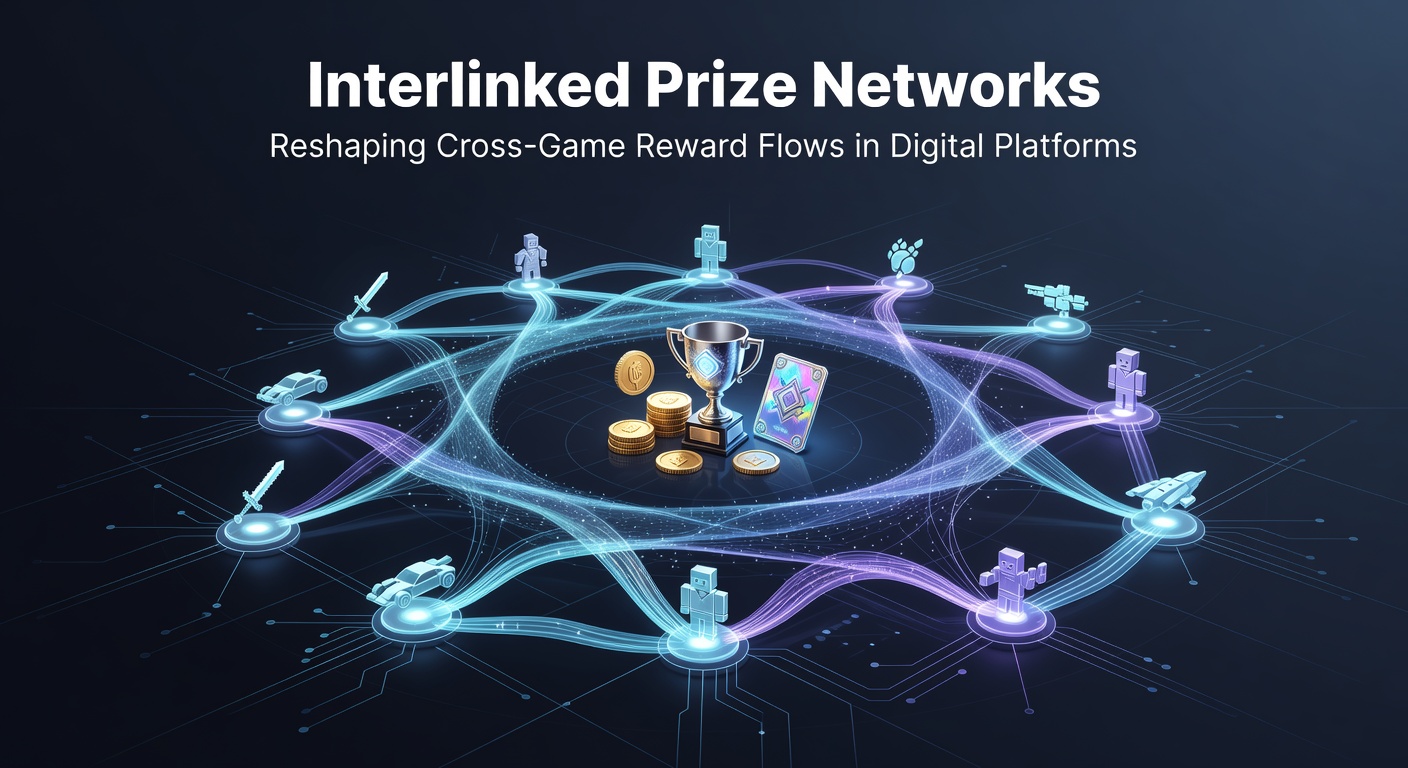
Interconnected Prize Systems Transform Reward Distribution Across Digital Gaming Platforms
Interlinked prize networks connect reward mechanisms from separate digital platforms so that achievements, points, and virtual items transfer between games without requiring separate accounts or isolated progress tracking, and developers integrate these systems to create shared economies that span multiple titles. Data from industry reports shows that such networks expand player retention rates while distributing value across ecosystems that once operated independently.
Mechanics Behind Cross-Platform Reward Flows
These networks operate through centralized ledgers or blockchain protocols that record player actions in one environment and convert them into transferable assets usable elsewhere, while APIs handle the synchronization so that progress in a mobile title updates balances in console or PC games automatically. Observers note that token standards like ERC-1155 enable this interoperability because they standardize how items move between different codebases, and platforms adopt these to reduce friction in reward redemption.
Studies indicate that by June 2026 several major engines will support native cross-game asset transfers, allowing developers to link progression systems without building custom bridges for every partnership. Researchers at academic institutions have documented cases where players accumulate experience in casual apps and spend resulting currency on premium content in competitive multiplayer environments, creating continuous engagement loops that single-game models cannot replicate.
Industry Adoption Patterns and Data Trends
Entertainment Software Association figures reveal that over 40 percent of top-grossing titles incorporated some form of interlinked rewards by early 2025, with participation rates climbing steadily as middleware providers release turnkey solutions. One study from a Canadian research consortium found that networks linking three or more titles increased average session length by 27 percent compared to standalone implementations, because users explore additional games to maximize shared prize pools.
What's interesting is how smaller studios leverage these frameworks to access larger audiences without independent marketing budgets, and partnerships between indie developers and established publishers accelerate the spread. According to reports from the Australian Interactive Games Association, regional markets in Asia-Pacific lead adoption because mobile penetration rates there allow rapid testing of reward portability across device types.
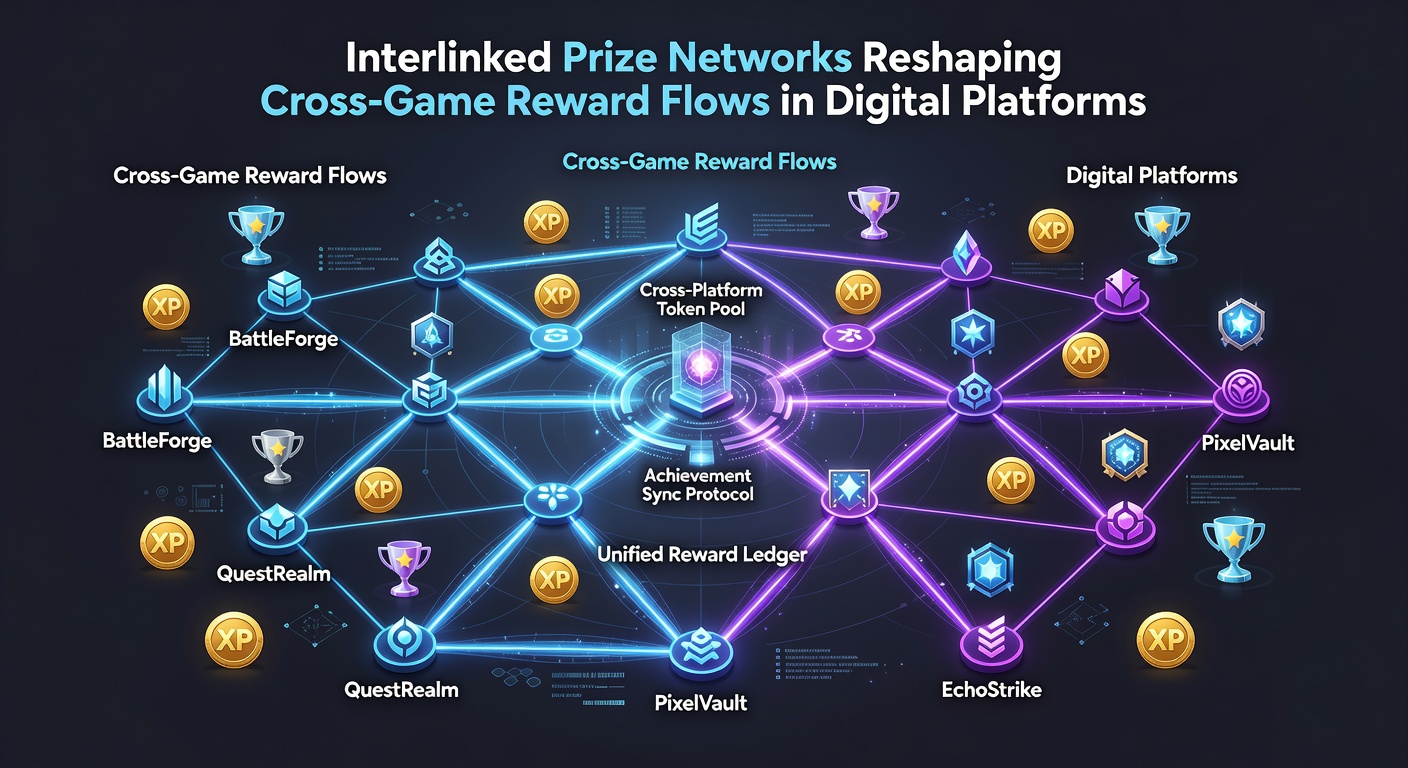
Examples of Networked Ecosystems in Practice
Take the case where a popular battle royale title links its battle pass progression to a separate racing game from the same publisher, enabling players to earn vehicle customizations through victories in either environment, and this model has expanded to include third-party partners who contribute seasonal events. Those who've studied player behavior observe that such linkages reduce churn because users maintain momentum across genres instead of resetting when switching titles.
Another instance involves virtual collectibles earned in puzzle apps that convert into crafting materials for role-playing games, with conversion rates set by smart contracts that adjust dynamically based on supply and demand. Evidence from platform analytics shows these systems generate secondary markets where players trade assets across boundaries, and transaction volumes reached notable levels in 2025 according to aggregated industry data.
Regulatory and Technical Considerations Emerging in 2026
Government bodies in multiple regions examine how these networks affect competition and consumer protection, with the European Commission's digital market reports highlighting the need for transparent conversion algorithms so participants understand exact exchange values. Technical challenges persist around latency during simultaneous updates across regions, yet middleware improvements scheduled for release around June 2026 aim to address synchronization delays that currently affect live events.
Universities conducting longitudinal research on digital economies have identified that interlinked systems also influence content creation, because creators design quests that reward actions benefiting the broader network rather than isolated titles alone. This shift alters monetization strategies as revenue shares extend to multiple stakeholders instead of concentrating within single platforms.
Conclusion
Interlinked prize networks continue to redefine how value moves through digital entertainment by enabling seamless transfers that connect previously separate experiences, and the infrastructure supporting these flows grows more robust each quarter. Data from diverse sources including trade associations and academic analyses demonstrates measurable impacts on engagement metrics across global markets, while technical and regulatory developments scheduled through 2026 will shape further expansion. Those monitoring the sector expect continued integration as more platforms adopt standardized protocols for cross-game asset management.