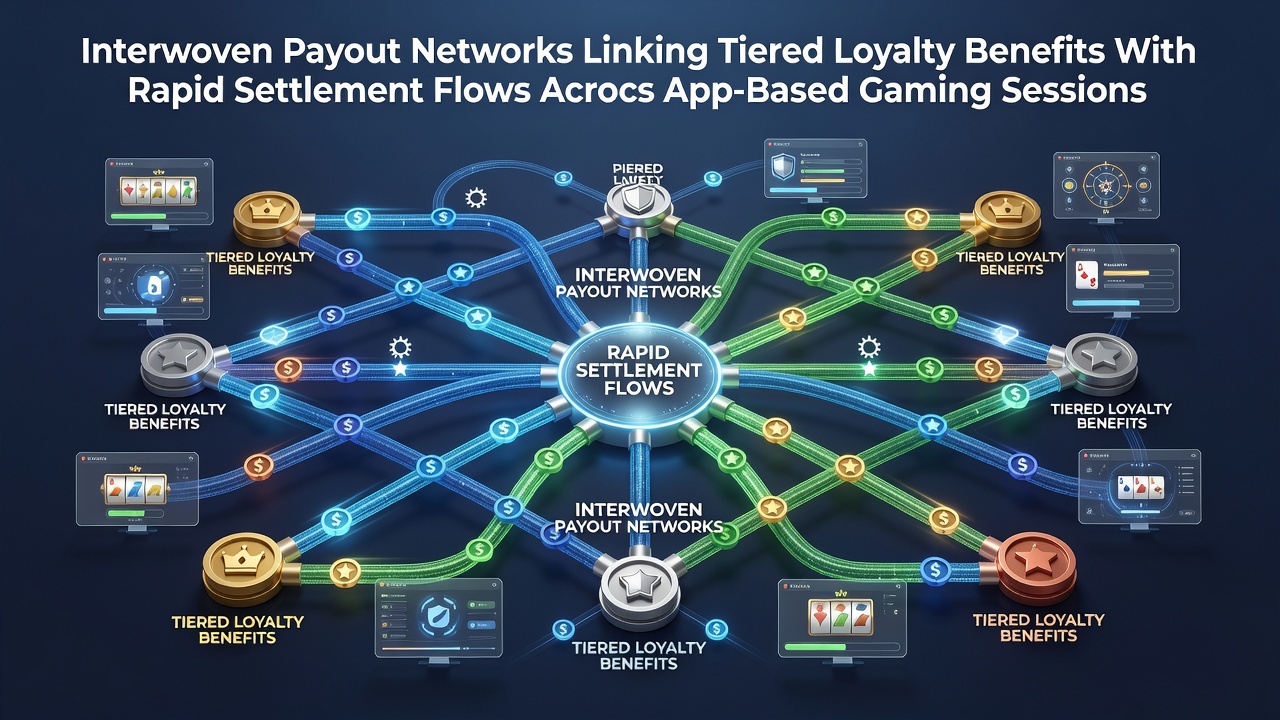
Interconnected Payment Frameworks Enhancing Loyalty Integration Across Mobile Gaming Platforms
App-based gaming platforms have developed layered payment infrastructures that connect user loyalty classifications directly to transaction processing pathways and these systems operate through coordinated data exchanges between game servers, financial processors, and reward databases. Developers implement application programming interfaces that synchronize loyalty tier data with settlement protocols so higher classification levels trigger priority routing for fund movements. In June 2026 several platform operators expanded these linkages to accommodate increased session volumes across handheld devices while maintaining compliance with regional transaction standards.
Core Components of Networked Settlement Structures
Payment networks in this domain consist of multiple interconnected nodes including digital wallet providers, game operator ledgers, and external banking rails. When a player completes a gaming session the system evaluates accumulated activity metrics against predefined loyalty criteria and then routes any resulting credits or debits through the most efficient channel available at that moment. Researchers at the University of Nevada Reno documented how these automated evaluations reduce average processing intervals by aligning loyalty metadata with real-time liquidity indicators from partnered institutions.
Tiered benefits manifest as reduced verification requirements or access to expedited transfer corridors for participants who meet cumulative engagement thresholds. Lower tiers follow standard settlement timelines whereas elevated tiers utilize dedicated pathways that bypass certain intermediary checks. Data from the Australian Gambling Research Centre shows consistent patterns where loyalty-linked accounts experience measurable differences in fund availability compared with baseline accounts during high-volume periods.
Technical Integration Across Gaming Sessions
Session tracking modules record metrics such as duration, in-app purchases, and progression milestones then feed this information into a central loyalty engine. The engine applies rule sets that determine applicable benefits and simultaneously prepares settlement instructions for the payment layer. Developers often employ distributed ledger elements to maintain synchronized records across multiple operators which allows seamless benefit portability when users switch between affiliated applications.
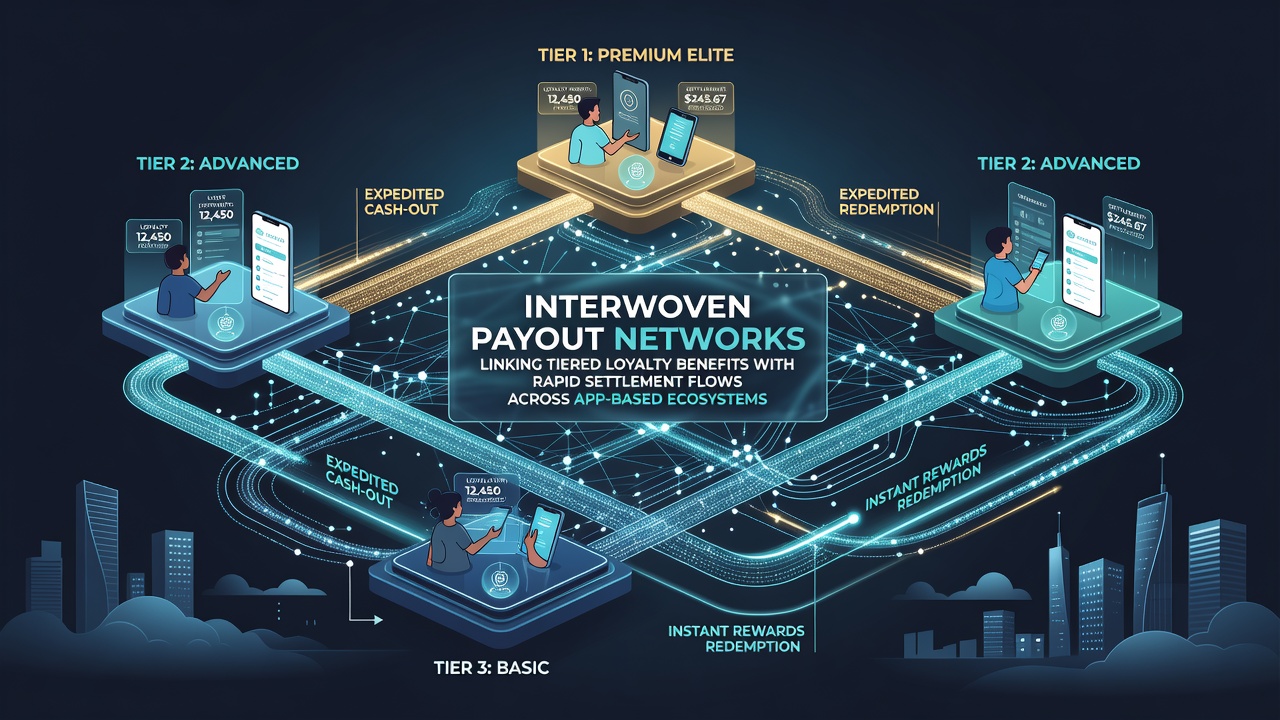
Real-time reconciliation occurs through encrypted data streams that update loyalty status and transaction status in parallel. This parallel processing prevents discrepancies that could otherwise delay fund movements or reward allocations. Observers note that platforms utilizing these parallel streams report fewer reconciliation errors during peak usage windows especially when multiple concurrent sessions occur on the same user account.
Global Examples of System Deployment
Operators in North American jurisdictions have adopted standardized settlement protocols that link loyalty classifications to state-approved payment processors. Similar frameworks appear in European markets where cross-border data sharing agreements enable consistent benefit delivery regardless of user location within participating regions. One documented implementation involved a consortium of developers that created shared application programming interfaces allowing loyalty points earned in one application to influence settlement speed in another affiliated title.
Industry reports from the National Center for Responsible Gaming highlight how these integrated systems incorporate responsible play indicators that can adjust settlement flows based on predefined user parameters. The adjustments occur automatically without requiring separate user action thereby embedding protective mechanisms within the payout architecture itself.
Operational Considerations in June 2026
By June 2026 platform maintainers had introduced additional encryption layers to protect the data exchanges that underpin loyalty-to-settlement linkages. These enhancements addressed growing transaction volumes while preserving the speed advantages associated with tiered routing. Regulatory bodies in multiple jurisdictions reviewed these updated protocols to confirm alignment with existing financial oversight requirements.
Platform analytics indicate that users interacting with loyalty-integrated settlement features complete more sessions on average than those using non-linked accounts although exact causation remains under study. The architecture continues to evolve through iterative updates that refine matching algorithms between activity data and available payment corridors.
Conclusion
Interwoven payout networks that connect tiered loyalty structures with rapid settlement mechanisms represent a mature component of contemporary app-based gaming infrastructure. These systems rely on coordinated data flows, standardized interfaces, and region-specific compliance measures to deliver differentiated transaction experiences. Continued technical refinements and cross-jurisdictional coordination shape how such frameworks expand in scale and capability throughout 2026 and beyond.