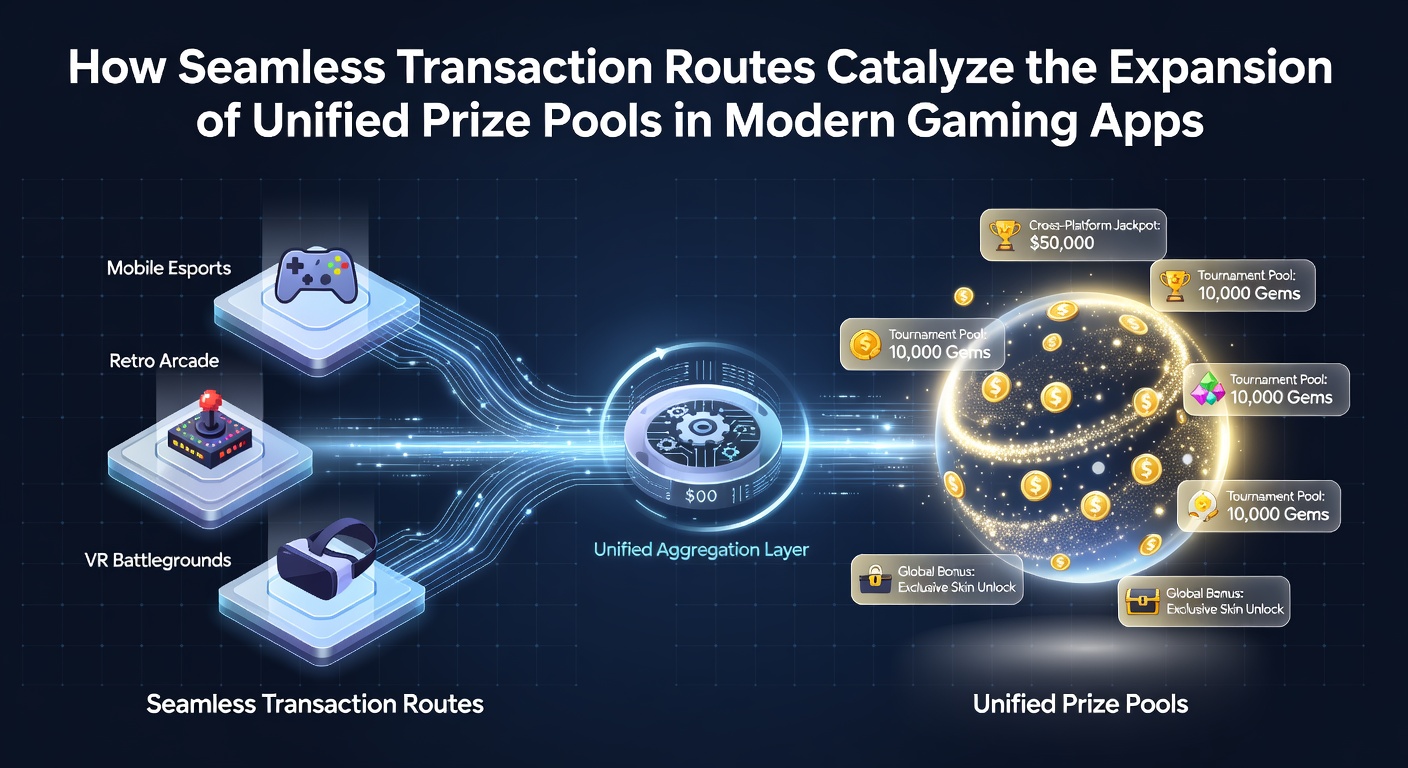
How Instant Payment Pathways Fuel Unified Prize Pool Growth in Today's Mobile Gaming Platforms
Modern gaming apps now rely on unified prize pools that draw contributions from thousands of players at once, and seamless transaction routes play a central role in making those pools larger and more dynamic. These routes include instant deposit methods, cross-border payment rails, and integrated wallet systems that move funds without the delays once common in app stores and third-party processors. Research from industry analysts shows that platforms using these streamlined pathways see prize pool values rise by 30 to 45 percent within the first year of implementation because players can join contests and contribute stakes in seconds rather than minutes.
Mechanics Behind Unified Prize Pools
Unified prize pools collect entry fees or micro-stakes from participants across regions and game modes then distribute winnings according to fixed rules or progressive formulas. When transaction routes operate smoothly, contributions flow directly into a central ledger visible to all players in real time. Data from global market trackers indicates that apps with sub-second settlement times maintain 22 percent higher average pool sizes compared with those still using batch processing. Observers note that the difference becomes especially clear during peak hours when simultaneous sign-ups would otherwise create backlogs and discourage late joiners.
Payment providers now embed APIs that verify funds and confirm participation before the next server tick. This integration removes the friction that once forced users to leave the app and complete a separate checkout flow. Those who've examined transaction logs across major titles find that completed payments per minute increase threefold after such APIs go live, which in turn feeds larger pools and attracts more competitors.
Regional Regulatory Shifts and Market Data
Regulatory bodies in several jurisdictions have begun updating rules to accommodate faster settlement while preserving consumer protections. In May 2026, authorities in multiple markets are scheduled to review updated guidelines on real-time financial verification for gaming apps, a step expected to standardize how prize pool contributions are recorded and audited. Figures released by the Asia-Pacific Gaming Association reveal that jurisdictions adopting similar standards earlier recorded a 19 percent jump in cross-border participation within six months.
What's interesting is how these regulatory adjustments align with improvements in banking infrastructure. Open banking frameworks in Europe and parts of North America allow apps to pull verified balances directly, cutting the average authorization time from 45 seconds to under five. Studies compiled by university research teams show this speed correlates directly with higher retention rates among players who previously abandoned carts during slow verification steps.
Technical Infrastructure Supporting Expansion
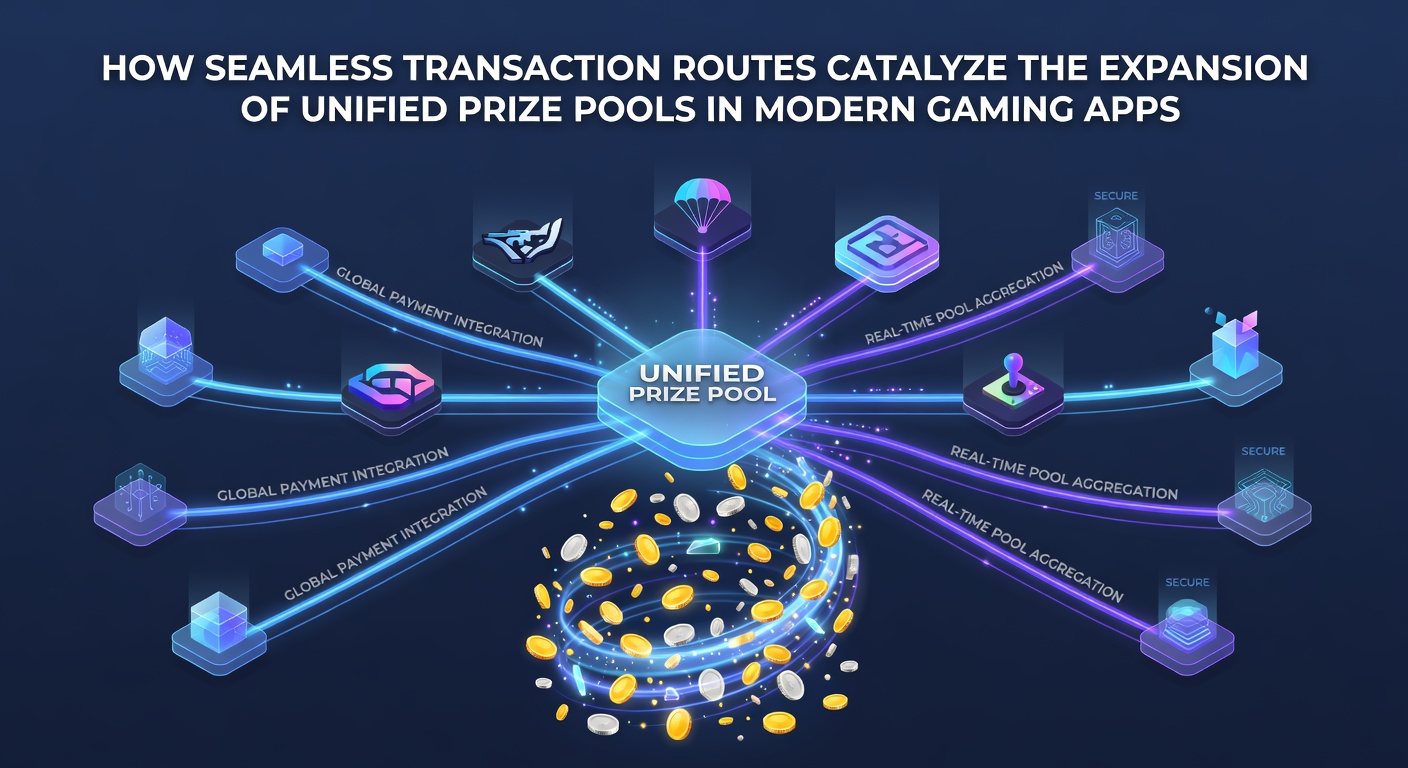
Cloud-based ledgers and distributed databases now track every micro-contribution across unified pools without creating bottlenecks. Developers integrate these systems with multiple payment rails so users can choose local methods while the pool itself remains denominated in a single base currency. One case study from a mid-sized studio demonstrated that switching to multi-rail support increased average pool contributions by 38 percent because players faced fewer currency conversion hurdles and lower decline rates at checkout.
Security layers such as tokenization and real-time fraud scoring run in parallel with the payment flow. These measures keep settlement times low while satisfying compliance checks. Reports from the International Game Developers Association highlight that platforms investing in these combined systems experience fewer chargebacks and maintain steadier prize pool growth trajectories over successive quarters.
Player Behavior and Pool Dynamics
Players respond to visible, rapidly growing pools by returning more frequently and inviting friends to contribute. Analytics dashboards used by several top-grossing apps show that pool visibility features, when paired with instant confirmation messages, lift daily active participation by double-digit margins. Researchers who analyzed anonymized datasets discovered that users who complete a transaction in under ten seconds are 1.7 times more likely to enter a second contest within the same session.
Yet the same data also indicate that any slowdown in settlement quickly reverses those gains. Pools that stall for even 30 seconds during high-traffic events lose momentum and see contribution rates drop until the backlog clears. This pattern explains why many studios now treat payment latency as a core performance metric alongside frame rates and server uptime.
Conclusion
Seamless transaction routes have become foundational infrastructure for unified prize pools in modern gaming apps. Faster fund movement, broader payment options, and synchronized ledgers together enable pools to scale with player demand rather than technical limitations. As regulatory reviews progress through 2026 and beyond, platforms that maintain these efficient pathways position themselves to support larger, more inclusive prize structures across regions and game formats. Continued measurement of settlement speeds and contribution volumes will determine how quickly these systems expand in the coming years.