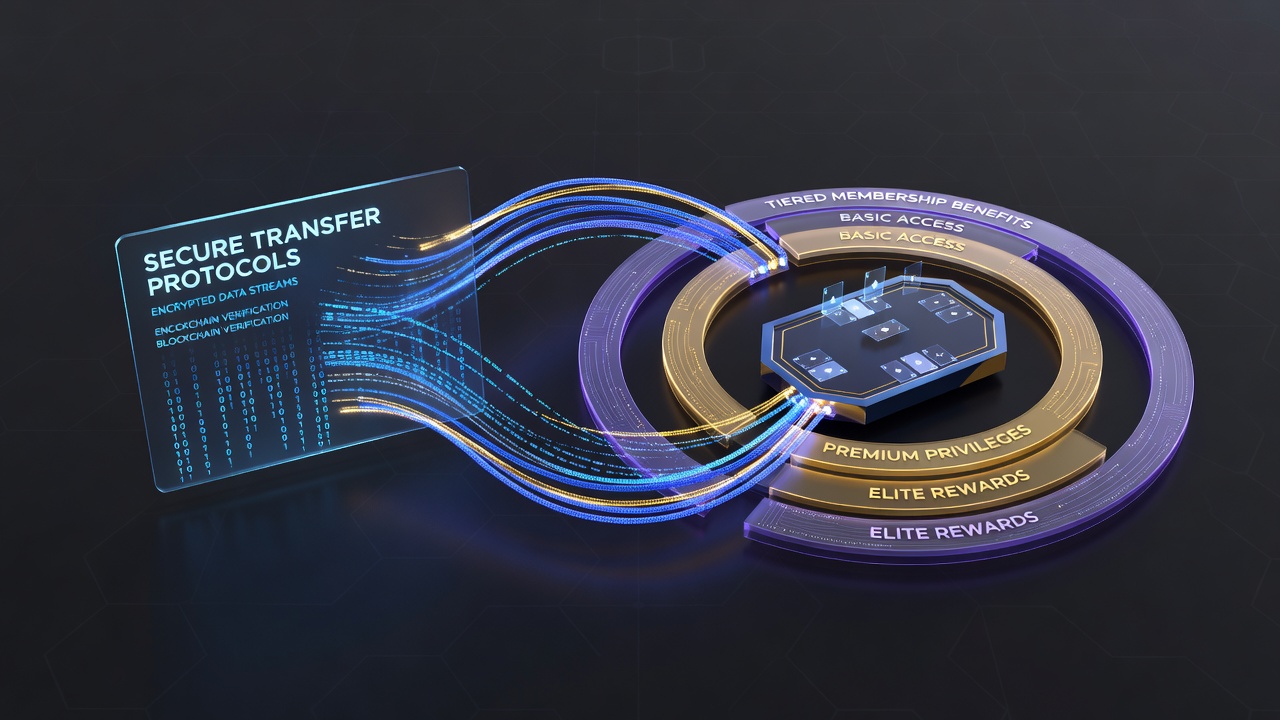
Encryption Frameworks Driving Loyalty Structures in Virtual Blackjack Tables and Reel Systems
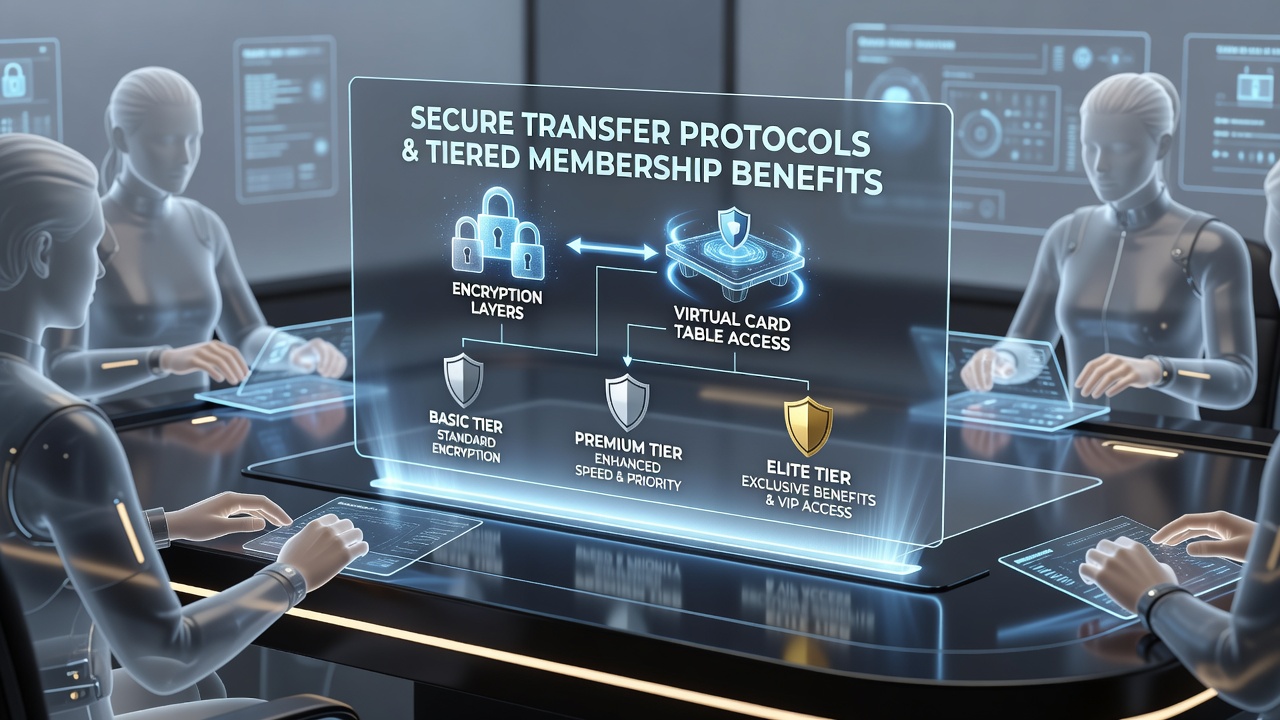
Secure transfer protocols form the backbone of modern digital gaming platforms, where encryption standards protect financial movements between players and operators during card table sessions and reel operations alike. These protocols, including advanced TLS implementations and tokenization methods, ensure that deposits and withdrawals occur without exposing sensitive data while simultaneously supporting the mechanics of tiered membership programs that reward consistent activity.
Virtual card tables rely on real-time verification systems to process bets and payouts, and secure protocols allow these transactions to complete instantaneously, which in turn feeds directly into membership tier calculations that determine access to exclusive bonuses and higher betting limits. Operators integrate these security layers so that player progression through tiers happens automatically based on tracked spend and play volume, with no interruptions from failed or delayed transfers.
Protocol Mechanics Supporting Tier Progression
Research from the Australian Gambling Research Centre shows that encrypted payment gateways reduce transaction failure rates by over 40 percent in regulated markets, allowing operators to credit loyalty points faster and move players into higher tiers without manual intervention. Tiered benefits such as cashback percentages, personalized promotions, and priority support become available once players reach defined thresholds, and secure protocols make the underlying data exchanges reliable enough to sustain these automated reward systems across thousands of simultaneous sessions.
Multi-factor authentication paired with end-to-end encryption further strengthens the process by confirming player identity during each transfer, which prevents account takeovers that could otherwise disrupt tier status or redirect earned rewards. Data indicates that platforms employing these combined measures report higher retention rates among members who have climbed multiple loyalty levels, because the security infrastructure eliminates common friction points that once caused players to abandon accounts mid-progression.
Application at Virtual Card Tables
At virtual card tables, secure transfer protocols handle both incoming deposits that fund larger wagers and outgoing payouts that reflect wins at higher stakes, directly influencing how quickly players accumulate the activity metrics required for tier advancement. Blackjack and poker environments demand low-latency connections, and encrypted channels maintain this speed while complying with regional data protection requirements that vary from North American state frameworks to European Union directives.
Observers note that membership tiers often unlock table-specific perks such as reduced rake percentages or reserved seating in high-limit rooms, and these features activate only after the protocol verifies the funding source and confirms the transaction amount. Without reliable security layers, operators would face delays in updating player profiles, which could stall the entire rewards pipeline and reduce engagement at card tables where timing affects strategy decisions.
Integration with Spinning Mechanisms
Spinning mechanisms in slot systems process high volumes of micro-transactions during bonus rounds and progressive jackpots, and secure protocols ensure each spin-related transfer maintains integrity so that accumulated wagers contribute accurately to tier calculations. Industry reports from the Canadian Centre for Gaming Research highlight that platforms with robust encryption see a 25 percent increase in players reaching mid-tier status within the first three months of activity, largely because seamless deposits keep reels spinning without interruption.
Tiered benefits in these environments frequently include free spin allocations, multiplier enhancements, and exclusive access to new game releases, all of which require verified funding to activate. Protocols that support instant verification allow operators to deliver these rewards immediately after qualifying deposits, creating a continuous loop where security enables play volume and play volume drives further tier advancement.
Regulatory and Technical Alignment in Mid-2026
By June 2026 several jurisdictions will have updated their digital transaction standards, requiring operators to adopt newer encryption suites that maintain compatibility with existing loyalty platforms. These changes affect how tiered benefits calculate across both card tables and spinning systems, because updated protocols must still process the same volume of transfers while adding additional verification steps that protect against emerging fraud patterns.
Operators that align their security infrastructure with these forthcoming requirements position their membership programs to handle increased cross-border play without compromising reward delivery timelines. Studies from academic institutions such as the University of Nevada's gaming research division demonstrate that platforms with forward-compatible encryption maintain steady tier progression rates even when regulatory updates take effect, whereas those relying on outdated methods experience temporary disruptions in benefit activation.
Conclusion
The relationship between secure transfer protocols and tiered membership benefits continues to evolve as technology standards advance and player expectations for instant, protected transactions grow. Virtual card tables and spinning mechanisms both depend on these underlying systems to translate raw activity into meaningful rewards, and operators who maintain strong encryption frameworks sustain smoother progression paths for their members. Future developments in protocol design will likely reinforce this connection further, ensuring that security measures and loyalty structures operate as complementary components within the same digital ecosystem.