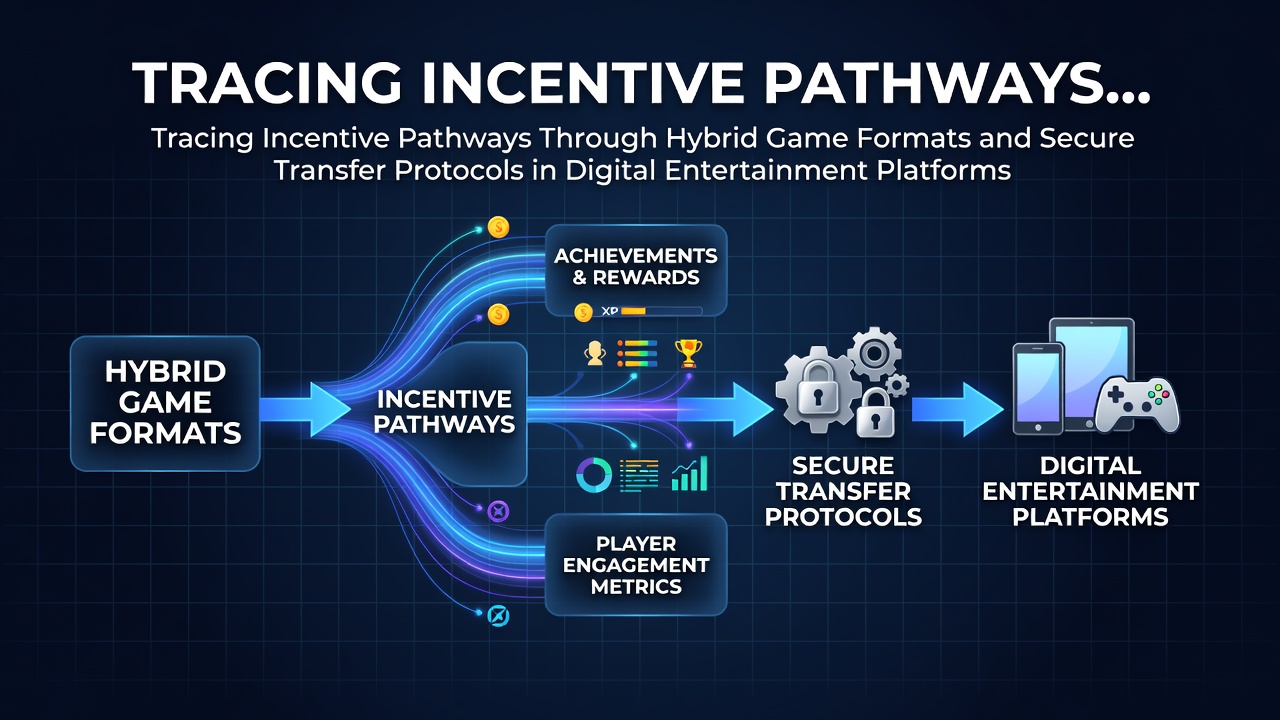
Mapping Reward Routes in Blended Gaming Structures and Encrypted Exchange Systems for Virtual Leisure Networks
Digital entertainment platforms continue to merge distinct game types into unified experiences that blend slot mechanics, live table interactions, and progressive reward layers, and researchers have tracked how incentive structures flow through these combinations via layered tracking software. Observers note that hybrid formats allow operators to route player rewards across multiple categories simultaneously, such as converting slot-based points into live dealer privileges, while secure transfer protocols handle the underlying deposits and withdrawals that fund participation.
Hybrid Game Structures and Their Reward Integration
Blended gaming models combine elements from traditional slots, table games, and real-time dealer sessions into single sessions where players move fluidly between formats without separate logins or balance resets. Data from industry analyses shows these structures rely on centralized ledgers that assign value multipliers based on activity type, enabling a single deposit to trigger chained incentives across categories. Those who've examined platform architectures find that hybrid designs reduce friction by embedding bonus eligibility checks directly into game engines, so a player completing a slot round can immediately access a live table feature funded by the same balance pool.
Studies from research institutions indicate that such integration increases session duration because rewards accumulate across formats rather than resetting at each switch. In August 2026 several platforms introduced cross-format loyalty tiers that automatically adjust based on combined play metrics, allowing users to unlock enhanced progressive contributions after meeting thresholds in both digital slots and live environments.
Tracing Incentive Pathways Through Platform Systems
Incentive pathways operate through sequential allocation engines that log every reward trigger and redistribute portions according to predefined rules. Experts have observed that these pathways often begin with an initial deposit that unlocks base bonuses, then branch into secondary streams when players engage hybrid elements like combined jackpot pools. One study revealed that platforms using real-time analytics can reroute unused bonus portions into alternative game modes, maintaining engagement without additional player action.
Researchers discovered that multi-stage tracking prevents overlap by assigning unique identifiers to each incentive layer, which helps operators monitor distribution across global user bases. What's interesting is how these systems handle regional variations, with protocols adjusting payout percentages automatically when users cross jurisdictional boundaries during live sessions.
Secure Transfer Protocols Supporting Incentive Flows
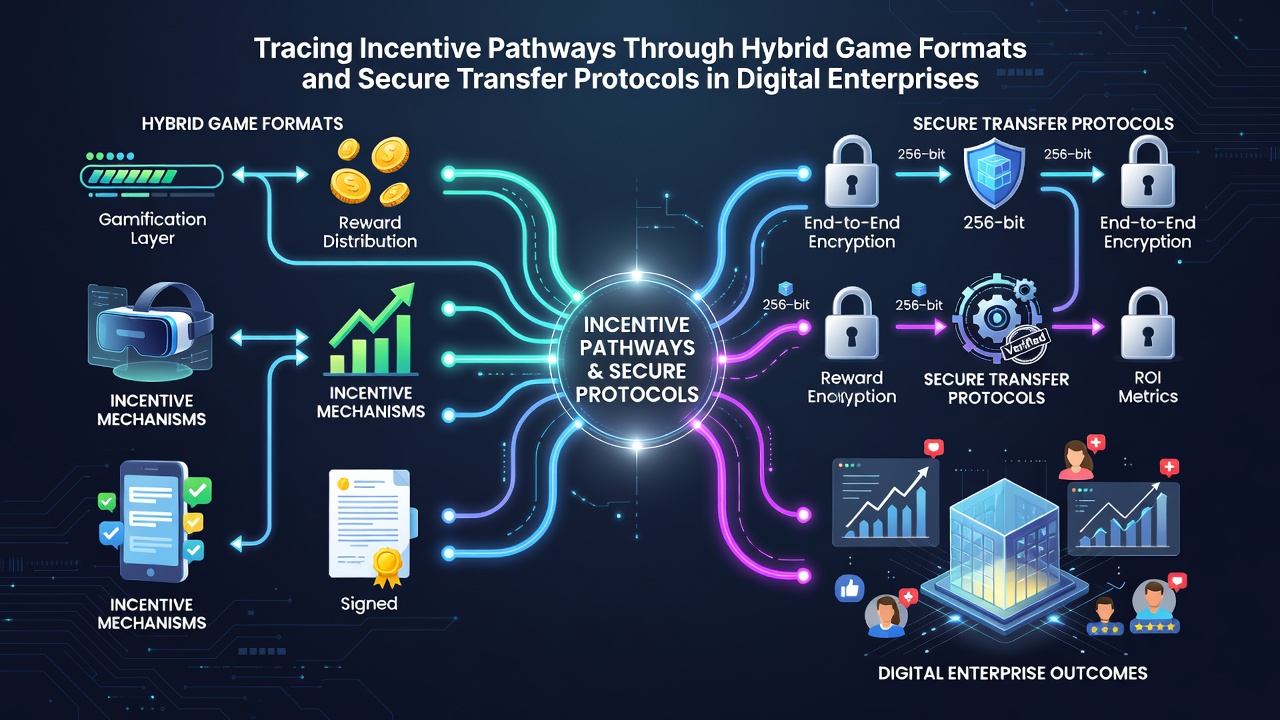
Encrypted exchange methods form the backbone that moves funds and reward credits between player accounts and platform ledgers. Government agencies in multiple regions, including the Pennsylvania Gaming Control Board, have documented standards requiring end-to-end encryption for all transfers that carry incentive data. These protocols use tokenization to separate player identity from transaction records, which reduces exposure during high-volume periods.
Industry organizations such as the European Gaming and Betting Association report that adoption of multi-factor authentication combined with blockchain verification has lowered dispute rates in reward redemptions. Platforms apply these layers to hybrid sessions so that a bonus earned in one format transfers instantly to another without manual intervention, while audit trails remain intact for compliance reviews.
Global Patterns in August 2026 Implementations
By August 2026 several networks had rolled out updated hybrid modules that embed incentive tracing directly into secure transfer layers, allowing operators to verify reward eligibility in milliseconds. Figures reveal that platforms incorporating these updates saw measurable shifts in how players distribute playtime across formats, with data indicating higher crossover rates between slot progressives and live dealer tables. Australian regulatory sources have noted similar patterns, where encrypted protocols now support cross-border incentive portability under strict data localization rules.
Those monitoring platform performance find that the combination of hybrid structures and fortified transfers creates more resilient reward ecosystems because failures in one channel can reroute through alternatives without losing accumulated value. University-led examinations confirm that such redundancy improves user retention metrics across tested markets.
Conclusion
Tracing incentive pathways in hybrid game formats requires continuous monitoring of how rewards move through interconnected systems, and secure transfer protocols provide the necessary infrastructure to maintain accuracy and compliance. Observers continue to document evolving implementations that link these elements across digital entertainment platforms worldwide, with new standards emerging regularly to support expanding user bases and varied game combinations.