Decoding Capital Pathways in Multi-Layered Prize Structures Across Reel and Table Platforms
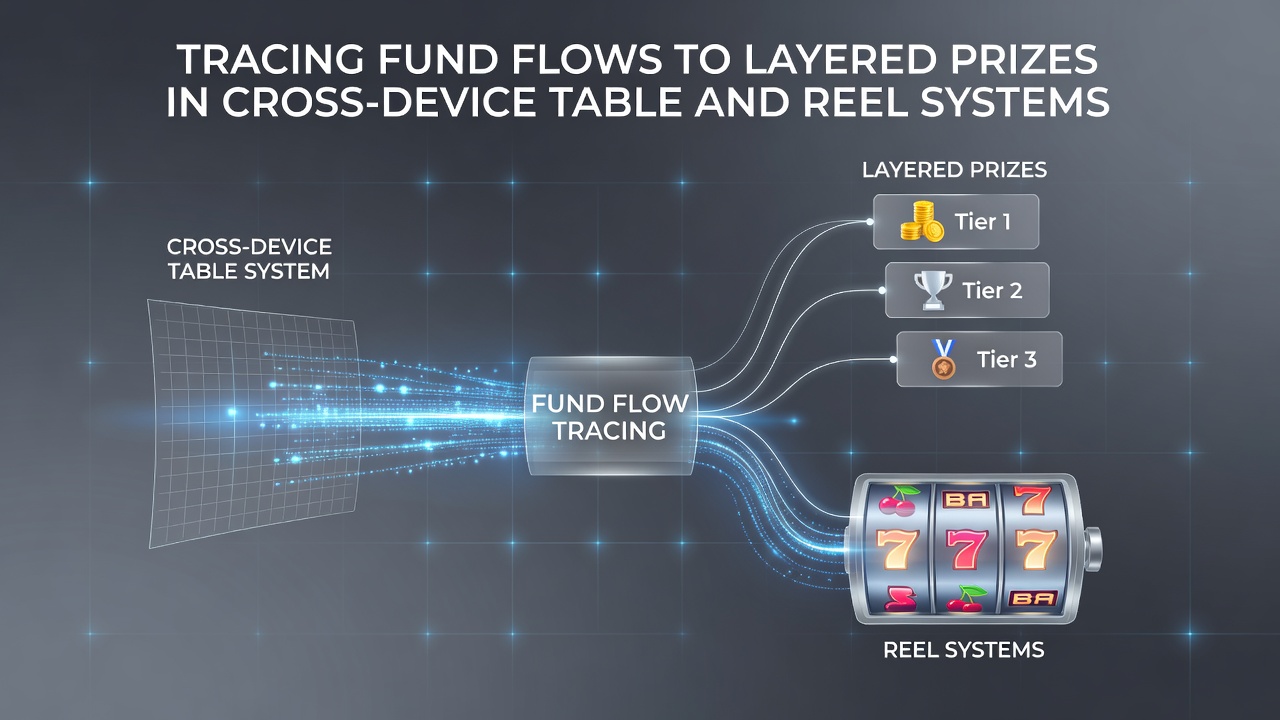
Payment ledgers in modern gaming environments record every deposit as it enters player accounts, then routes those amounts through central servers that manage both reel-based games and table simulations on phones, tablets, and desktop units. Operators maintain separate ledgers for base stakes, bonus contributions, and progressive pools, which allows technicians to trace how a single wager splits into multiple prize layers without mixing funds from different jurisdictions.
Core Mechanisms of Fund Routing
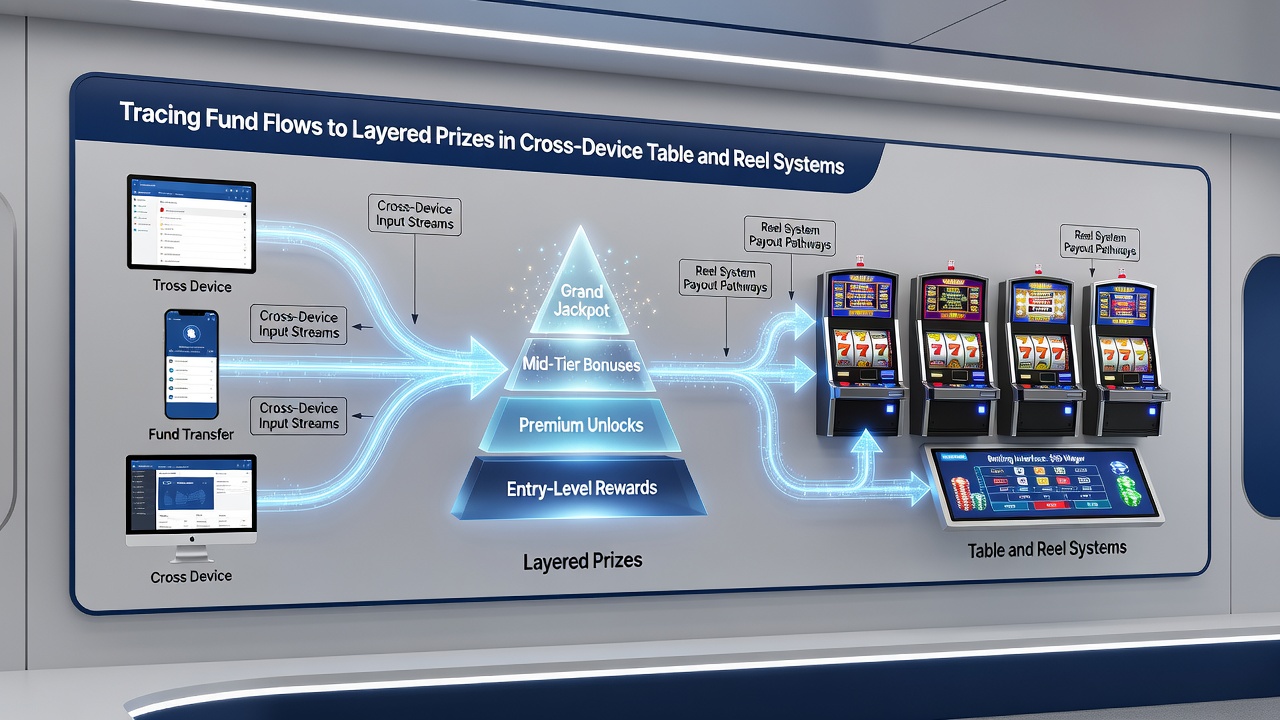
Each transaction begins at the payment gateway, where funds receive unique identifiers before transfer to the gaming wallet; from there the system allocates portions to the main game engine while diverting smaller percentages into progressive meters that operate across thousands of connected terminals. Data logs timestamp every movement so that reconciliation teams can verify whether a contribution reached the correct prize tier within milliseconds of the spin or deal. Cross-device synchronization relies on cloud-based session tokens that update balances in real time, ensuring a player who switches from mobile reels to a desktop table sees identical wallet totals and prize eligibility.
Layered Prize Construction
Layered prizes combine fixed payouts from individual game math models with variable contributions drawn from networked pools; the fixed component pays from the operator's general revenue account, whereas the variable element draws from aggregated player contributions tracked by device type and game category. Reel systems often feed one set of progressive meters while table platforms feed another, yet both draw from the same underlying player fund stream when operators configure shared jackpot networks. Observers note that contribution rates typically range between 0.5 and 2 percent of each wager, depending on game volatility settings documented in the title's regulatory filing.
Cross-Device Tracking Protocols
Session management servers store device fingerprints alongside account identifiers, allowing audit trails to follow a player's activity whether the interface is a mobile reel spinner or a desktop card table. When a progressive trigger occurs, the system queries the central meter database to confirm the winning contribution originated from an eligible device category and jurisdiction before releasing the prize. In July 2026 several North American operators began piloting enhanced tokenization methods that embed regulatory markers directly into each fund packet, reducing reconciliation time from hours to minutes during multi-device sessions. Researchers at the University of Nevada's gaming laboratory have published findings on these token systems, showing reduced error rates in prize attribution across reel and table environments.
Regulatory Reporting Requirements
Authorities in multiple regions require monthly reports that break down fund inflows by game type and device category; these filings list total contributions to each prize layer along with any manual adjustments made after system reconciliations. The Nevada Gaming Control Board publishes aggregated statistics that separate mobile and land-based contributions, giving analysts visibility into how cross-device play affects prize pool growth. Similar data streams appear in reports from the Alcohol and Gaming Commission of Ontario, which tracks Canadian operators using comparable ledger structures. Both agencies require operators to retain raw transaction logs for a minimum of five years, enabling forensic reviews when prize disputes arise.
Technical Verification Tools
Independent testing laboratories deploy automated scripts that simulate player sessions across emulated devices, then compare expected prize allocations against actual ledger entries. These scripts flag discrepancies when a contribution fails to reach the designated progressive meter or when device-specific rules alter the allocation percentage. Operators integrate the same verification tools into daily monitoring dashboards, allowing compliance staff to review fund flows without waiting for external audits. Academic papers from the University of Macau's gaming research center describe algorithms that map these flows in graph format, highlighting bottlenecks where delayed updates between mobile and desktop servers could affect prize timing.
Conclusion
Tracing fund flows in layered prize systems requires coordinated ledgers, device-aware session tokens, and regulatory-mandated reporting that together provide a complete record from initial deposit through final prize distribution. As operators expand cross-device connectivity, the same protocols continue to support accurate allocation across reel and table environments without compromising jurisdictional boundaries or audit standards.